
Starting Your Own Cosmetics Brand: From Idea to Finished Brand
Do you want to start your own cosmetics brand – from the first idea to the finished product on the shelf? Then you are in the right place. Whether you want to found a cosmetics workshop, create a small cosmetics line of your own or launch a complete cosmetics start-up: this hands-on guide shows you, step by step, how to turn your passion into a real brand.
From the kitchen to a brand – this is how you build your own cosmetics label. We cover everything: brand concept, logo, product line, packaging, production, distribution, marketing and finances. No fluff, just a concrete roadmap with realistic costs and timeframes.
Not yet sure whether you are even allowed to sell your cosmetics? Then start by reading our guide: how to sell homemade cosmetics legally. And anyone still facing the business registration will find everything in our guide to registering a home cosmetics business.
Ready for your own cosmetics brand?
INCIkit supports you from the very start: manage formulations, generate INCI lists, create GMP-compliant batch records and document everything without gaps – so you can focus on your brand.
Step 1: Brand concept – defining your target audience, positioning and values
Before you even think about formulations or packaging, you need clarity on three things: who are your customers, what makes you different and what does your brand stand for? Anyone who wants to build a cosmetics brand always begins with the foundation.
Define your target audience
Who buys your products?Be as specific as possible. “Women, 25–45” is too vague. Better: “Women between 28 and 40 who value natural ingredients, want vegan cosmetics and are willing to spend 15–25 € on a face cream.”
Create a persona profile: age, income, values, buying behaviour, social-media use, pain points. The better you know your target audience, the more precise your products, packaging and marketing become.
Find your positioning
What makes you different? The cosmetics market is crowded with thousands of brands. Your positioning is your unique selling point (USP). Possible positionings:
- Natural cosmetics:organic raw materials, sustainability, transparency (e.g. COSMOS-certified)
- Local & regional: raw materials from the region, handmade, short delivery routes
- Problem-solver: specially for sensitive skin, acne, atopic dermatitis
- Luxury & premium: high-quality active ingredients, elegant packaging, small production runs
- Fun & lifestyle: bright colours, creative shapes, social-media-ready
Also define 3–5 brand valuesthat carry your brand. These can be terms such as “transparency”, “sustainability”, “craftsmanship” or “simplicity”. These values later determine everything: from the packaging colour to your Instagram tone. If you want to position your brand as certified natural cosmetics, read our certification comparison first.
Step 2: Brand name & logo – tips and trade-mark-law basics
Your brand name is the first thing customers notice – and the last thing they forget. A good name for your cosmetics start-up should:
Trade mark law: check before you commit!
Before you decide on a name, search a national trade mark register such as the German DPMA register and the EUIPO register to see whether the name is already protected. Registering a trade mark with the DPMA costs from 290 € (one class, 10 years of protection). For EU-wide protection you file with the EUIPO (from 850 €). Budget for these costs from the start – a later rebranding is considerably more expensive.
Logo tips for small budgets:You do not need an expensive design studio. Start with a clean word mark (typographic logo) in 1–2 colours. Tools like Canva or Figma offer professional templates. Invest later in a custom logo once you know that the brand works. But make sure you have consistency from the start: the same colours, the same fonts, the same style across all channels.
Step 3: Planning your product line – how many products to start with?
A common mistake when building a cosmetics brand: too many products at once. Every product needs its own safety assessment (300–800 €), a CPNP notification, a Product Information File (PIF) and its own label. That adds up quickly.
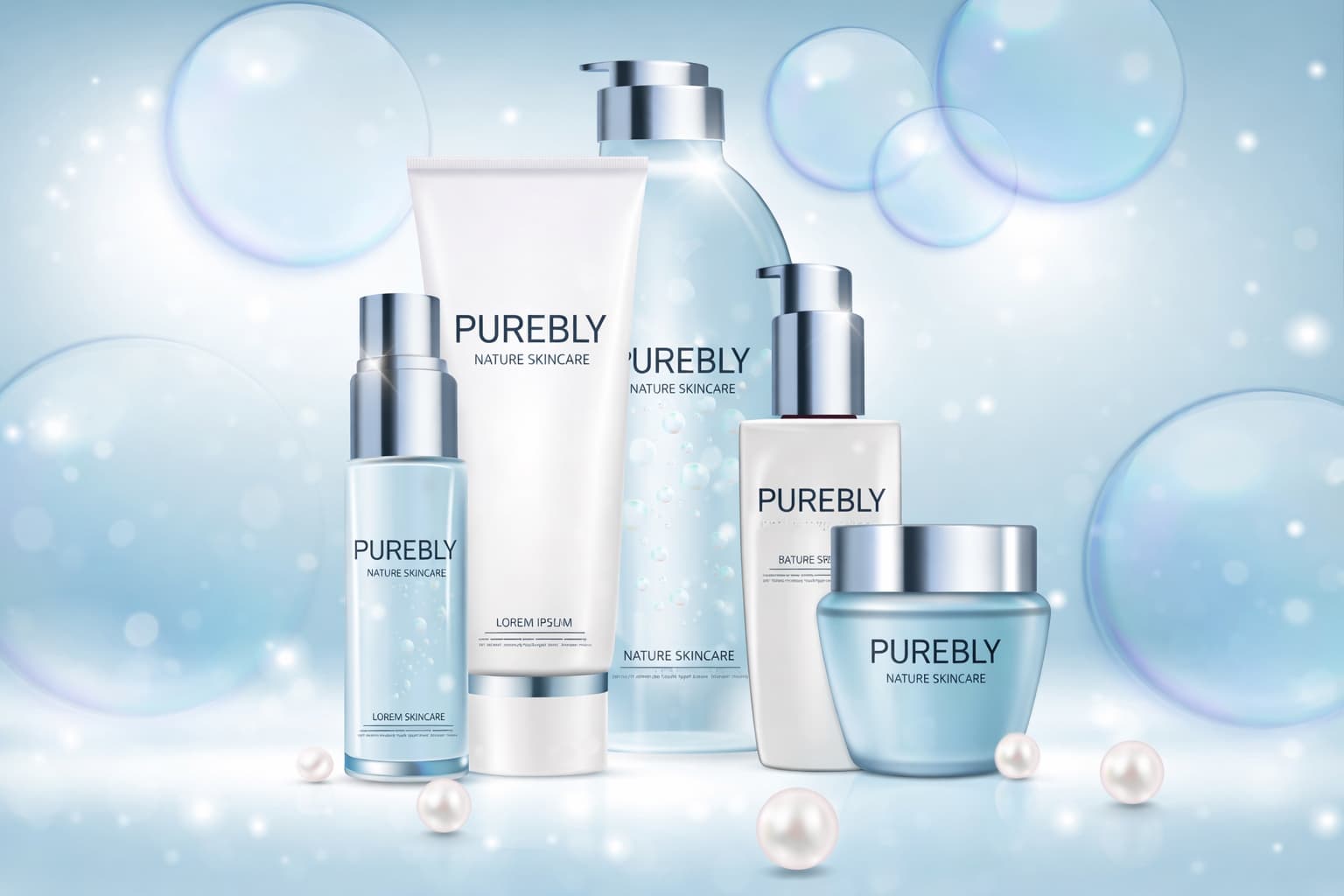
Consistent branding across the entire product line – the foundation of every successful cosmetics brand
Our recommendation: start with 2–3 products. Choose products that go together and form a small, coherent line. For example: a face oil, a face cream and a lip balm. Or: a hand soap, a body butter and a bath salt.
You will find out which products are best suited for getting started in our comparison of the 6 best starter products for your cosmetics business.
Step 4: Packaging design – a consistent look for small budgets
Packaging sells. With cosmetics in particular, the outside often decides whether a product ends up on the shelf or in the basket. Your packaging design has to do two things: look professional and contain all mandatory legal details on the packaging.
Consistent packaging design with strong recognition value – achievable even on a small budget
Budget tip: Start with high-quality standard containers (white jars, brown glass bottles) and create the brand look through professional labels. This is cheaper than custom-printed containers and more flexible for small production runs.
Checklist: packaging design
How to create the INCI list correctly and place all 8 mandatory details on the label properly, you will learn in our dedicated guides. INCIkit generates your INCI lists automatically from the formulation – error-free and in the correct order.
Step 5: Scaling production – from home to workshop
Most founders start out producing within their own four walls. That is perfectly legitimate – as long as you meet the GMP requirements under ISO 22716 in full. Anyone who wants to set up their own cosmetics workshop typically goes through three phases:
Phase 1: Home workshop
Separate room (not the kitchen!), basic equipment (scales, thermometer, containers), small batches of 20–50 units. Investment: 500–2.000 €.
Ideal for getting started and validating the concept.
Phase 2: Your own workshop
Dedicated production room with professional equipment (lab bench, fume hood, calibrated scales). Batches of 100–500 units. Investment: 5.000–15.000 €.
When demand grows and you still want to produce yourself.
Phase 3: Contract manufacturer
Outsourcing production to a contract manufacturer. Minimum order quantities from 500–1.000 units. You focus on brand, marketing and distribution.
For scaling without your own production infrastructure.
Whatever the phase: your production must be documented in a GMP-compliant way. Every batch needs a batch record with target and actual quantities, the batch numbers of the raw materials and a release check. Done manually on paper, this quickly becomes unmanageable – which is exactly why there is specialised cosmetics software. For more on the compliance obligations of contract manufacturers, see our contract manufacturing compliance guide.
Step 6: Building sales channels – online, retail and markets
Where do you sell your products? Choosing the right sales channels depends on your target audience, your budget and your capacity. Here are the three most important options for your cosmetics start-up:
From online shop to store shelf – the right distribution strategy decides the success of your brand
Online shop
+ Low entry costs, full control over prices and brand presence, available 24/7
– Requires a marketing budget, shipping logistics, GDPR obligations
Tip: Start with Shopify or WooCommerce
Retail
+ Direct customer contact, trust through presence, higher perceived value
– Retail margin (30–50%), listing fees, minimum quantities
Tip: Start with local concept stores
Markets & events
+ Direct customer feedback, low fixed costs, community building
– Time-consuming, weather-dependent, seasonal fluctuations
Tip: Christmas and craft markets are worth their weight in gold
Our recommendation:Start online – your own shop gives you full control over prices and customer data. Add markets for direct customer feedback and bring in retail only once you can reliably supply stable production volumes. Everything about selling online you will find in our guide: how to open a cosmetics online shop.
Step 7: Marketing for micro-brands – Instagram, TikTok and influencers
As a small cosmetics brand you have one decisive advantage over large corporations: authenticity. Customers want to know who is behind the brand, how it is produced and why you do what you do. Make the most of that.
Marketing roadmap for micro-brands
Instagram (essential)
Visual storytelling: behind-the-scenes of production, before-and-after, ingredient spotlights. Reels perform best right now. Post 3–4× a week.
TikTok (recommended)
Short videos with a wow factor: soap cutting, bath-bomb fizz, “making of” content. Organic reach is highest here. Ideal for building reach.
Micro-influencers (smart)
Collaborations with accounts of 1.000–10.000 followers in your niche. A free product is often enough in return. More authentic than large influencers.
Email marketing (underrated)
Build an email list from day 1. Newsletters with real value (tips, behind-the-scenes, offers) have conversion rates of 2–5% – significantly higher than social media.
Important:Strict rules apply to health claims and advertising for cosmetics. You may not make any healing promises (“cures acne”, “anti-aging” is borderline) and you must be able to substantiate advertising claims. The EU Cosmetics Regulation (EC) 1223/2009 and the Claims Regulation govern what you may and may not advertise.
Step 8: Finances – what does building a cosmetics brand realistically cost?
The most common question when starting a cosmetics start-up: what does it cost?Here is the honest answer with a detailed cost overview for starting out as a home workshop with 2–3 products.
| Cost item | Cost (approx.) | Note |
|---|---|---|
| Business registration | 20–60 € | One-off, depending on the municipality |
| Safety assessment (per formulation) | 300–800 € | For 3 products: 900–2.400 € |
| Trade mark registration (DPMA) | from 290 € | Optional but recommended |
| Raw materials (initial stock) | 200–500 € | For 3 products, first batches |
| Packaging & labels | 200–600 € | Jars, bottles, label printing |
| Equipment (scales, thermometer etc.) | 200–500 € | One-off, home-workshop level |
| Logo & design | 0–500 € | Canva (free) to a freelance designer |
| Online shop (Shopify/WooCommerce) | 0–40 €/month | WooCommerce free, Shopify from 36 €/month |
| Product liability insurance | 150–400 €/year | Strongly recommended |
| Total (start) | 2.000–5.500 € | Home workshop, 2–3 products |
Ongoing costscome on top: raw-material reorders, packaging material, shipping costs, a marketing budget (recommended: 10–20 % of revenue) and possibly Shopify fees. Also plan for a buffer of 20 %– unexpected costs always come up.
Saving tip: spread costs out step by step
You do not have to invest everything at once. Start with one product, validate demand at markets or on Instagram, and then invest in the next safety assessment and the next product. That way you spread the risk and learn with every step. You will find our detailed cost comparison for business registration in the separate guide.
Frequently asked questions (FAQ)
How much start-up capital do I need for my own cosmetics brand?
For a minimalist in-house production (a home workshop with 1–2 products) you should budget around 2.000–5.000 €. That covers raw materials, packaging, the safety assessment, business registration and initial marketing. Anyone starting with contract manufacturing has to plan for at least 3.000–8.000 €, since minimum order quantities and development costs are higher. A professional brand presence with a custom logo, website and a larger product line can cost 10.000–20.000 €.
Can I start a cosmetics brand from home?
Yes, many successful cosmetics brands started out as a home workshop. You do, however, need a separate, clean production area (not the kitchen) set up in line with GMP. You also need a business registration, a safety assessment for every product, a CPNP notification and correct labelling. Alternatively, you can outsource production to a contract manufacturer and concentrate on brand and distribution.
Do I need a separate safety assessment for every product?
Yes, every single formulation needs its own safety assessment (CPSR) carried out by a qualified safety assessor. This also applies to variants with different fragrances or colour pigments. The cost is 300–800 € per formulation. Tip: start with just a few products and expand step by step – that keeps compliance costs manageable at the beginning.
Contract manufacturer or in-house production – which is better for the start?
That depends on your budget and your skills. In-house production gives you maximum control and lower unit costs, but it requires GMP knowledge, equipment and time. Contract manufacturers take over production and often the safety assessment too, but they require minimum order quantities (usually 500–1.000 units) and higher unit prices. Many founders start with in-house production and switch to a contract manufacturer as demand grows.
How do I protect my brand name legally?
Registering a trade mark with a national office such as the German DPMA (German Patent and Trade Mark Office) costs from 290 € for one class and protects your name for 10 years in that country. For EU-wide protection you file with the EUIPO (from 850 €). Before you register, be sure to run a trade mark search – in both the national register and the EUIPO register. You should also check domain availability and social-media handles before you commit to a name.
Conclusion: starting your own cosmetics brand – step by step to success
Starting your own cosmetics brandis no rocket science – but it is not a weekend project either. From the first brand idea to a market-ready product it realistically takes 3–6 months. Anyone who masters the basics, documents cleanly and proceeds step by step builds a stable foundation for a growing brand.
- Brand concept first:define your target audience, positioning and values – before you think about products
- Start small:2–3 products are enough to begin with – every product needs its own safety assessment
- Packaging = marketing: a consistent design with all mandatory details
- Start online: your own online shop + markets for direct feedback
- Plan your budget realistically: 2.000–5.500 € to start out as a home workshop
- Compliance from the start: PIF, CPNP, GMP and INCI – everything has to be right
Your first step today: define your target audience and positioning. Write down 3 sentences that describe who your brand is for and what makes it unique. From there you develop everything else – name, products, packaging and distribution.
Further resources
Want to document your formulas and INCI lists professionally?
INCIkit brings formulas, INCI declaration and batch documentation into one app — free for 14 days, no credit card required.
INCIkit Editorial
Cosmetics Compliance Desk
More articles
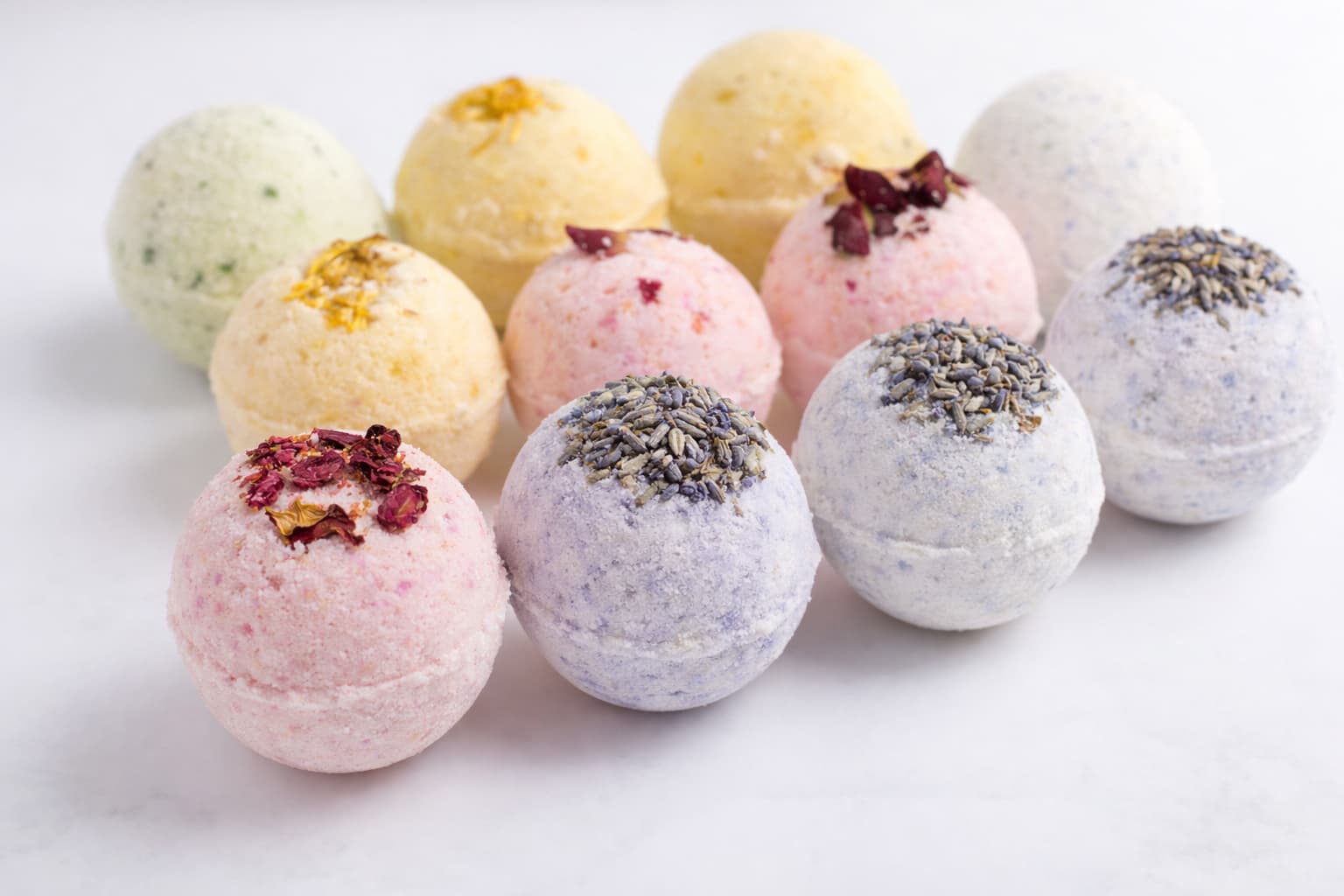
Lip Balm, Bath Bombs & Co: The Best Starter Products for Your Cosmetics Business
Which cosmetic product is the easiest to start with? We compare 6 categories — from lip balm through bath bombs to body oils — by complexity, cost, shelf life and regulation.
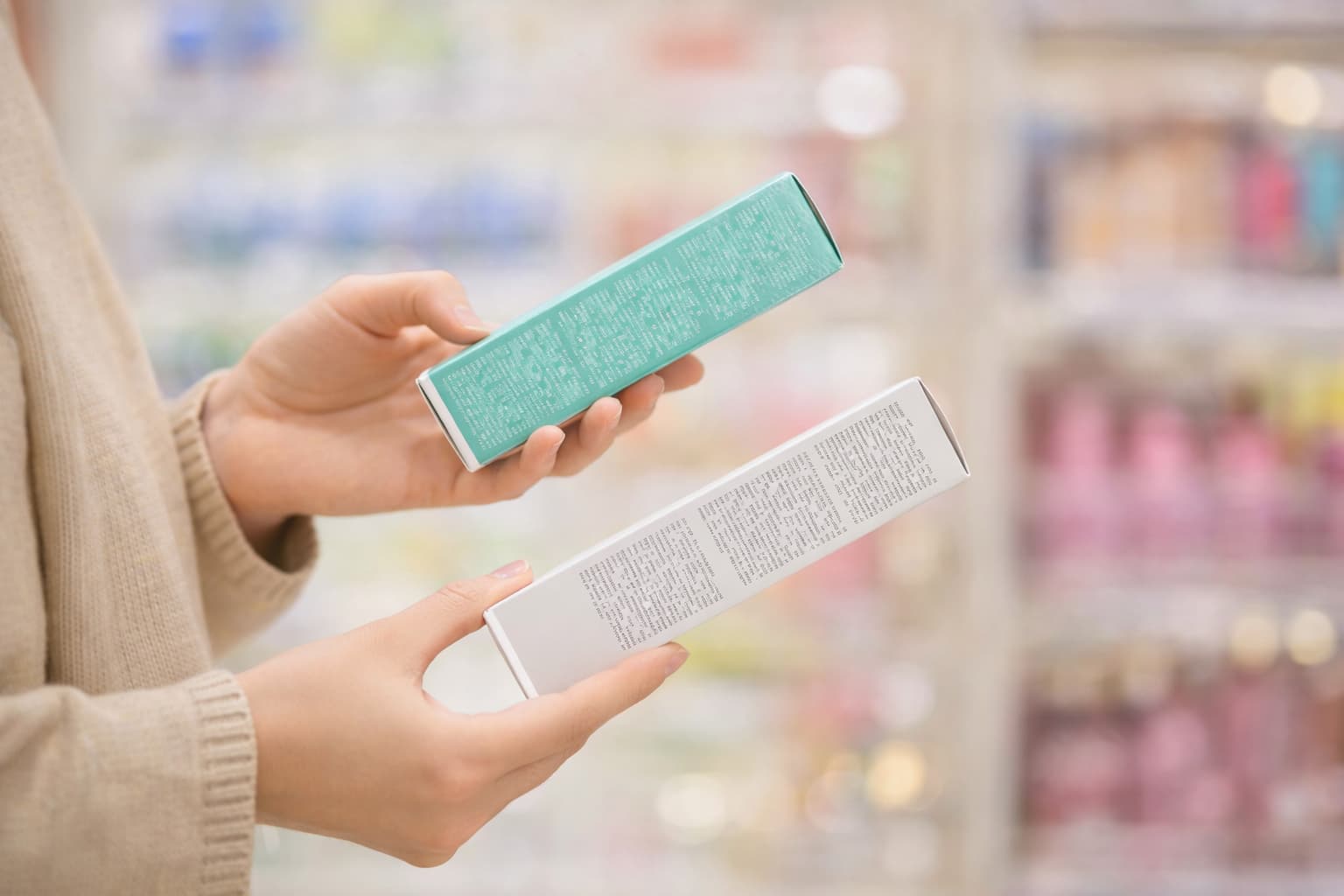
Labels for Handmade Cosmetics: Mandatory Details & Design Tips
Your cosmetic label must not only look good — it must also contain 8 mandatory legal details. This practical guide shows you which details are mandatory, how to design professional labels and where to have small runs printed.
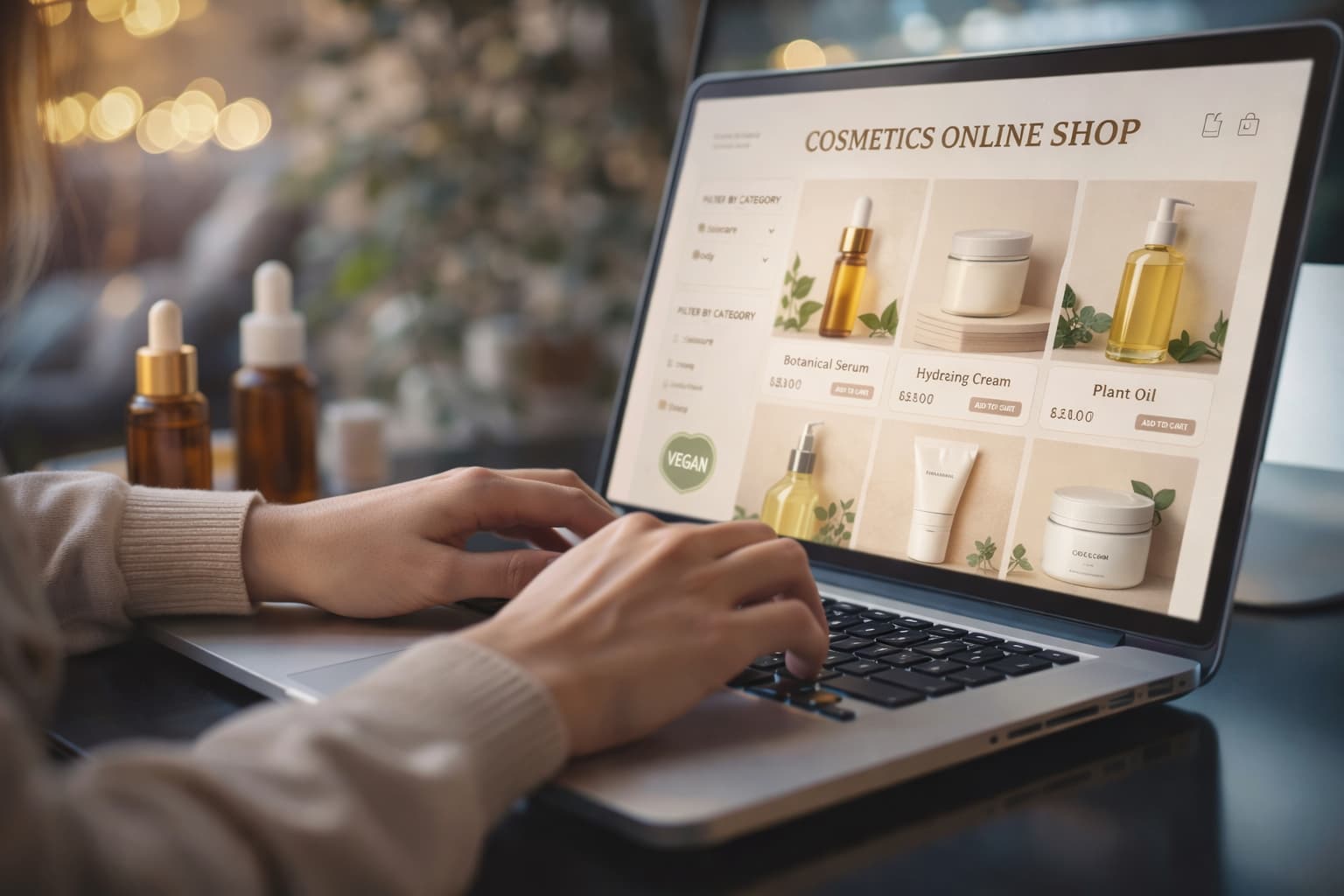
Start a Cosmetics Online Shop: A Legally Sound Launch for Small Producers
Want to sell your handmade cosmetics online? This hands-on guide compares Etsy, Shopify and WooCommerce, explains all the legal obligations and shows you how to build product pages, shipping and marketing the right way.