
Lip Balm, Bath Bombs & Co: The Best Starter Products for Your Cosmetics Business
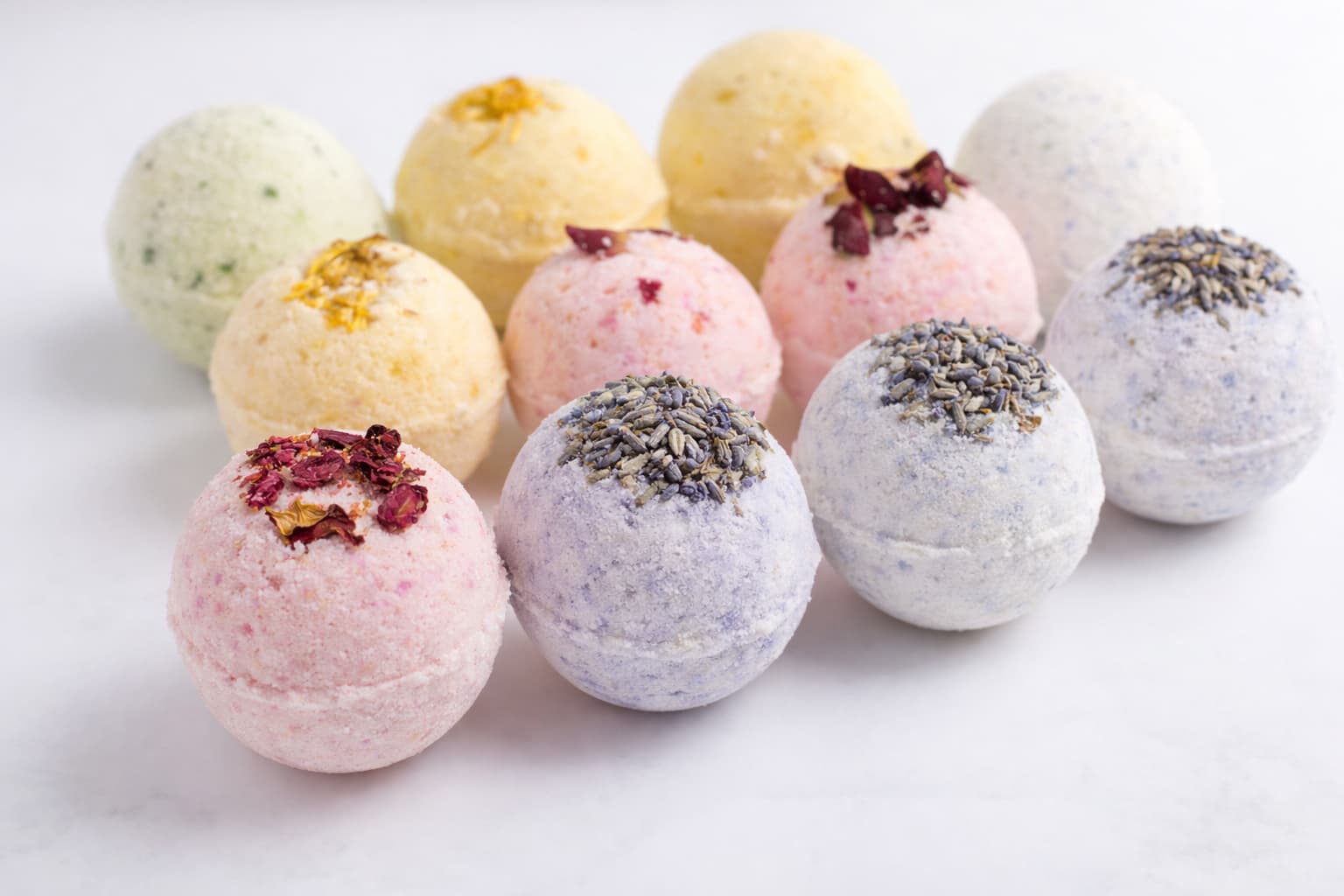
You want to start your own cosmetics business – but which product is best suited for getting started? Whether you make and sell your own lip balm, pour bath bombs or blend body oils: the selection of simple cosmetic productsis large – but not every product is equally well suited to beginners.
We compare 6 product categoriesagainst 4 criteria: production complexity, start-up costs, shelf life and regulatory effort. This is how you find the perfect cosmetic beginner productfor your start – realistic, honest and without rose-tinted glasses.
Not yet sure whether you are even allowed to sell your cosmetics? Then start with our guide: Selling homemade cosmetics legally. And if you want to know straight away what getting started costs, you will find the answer in our guide to business registration for cosmetics.
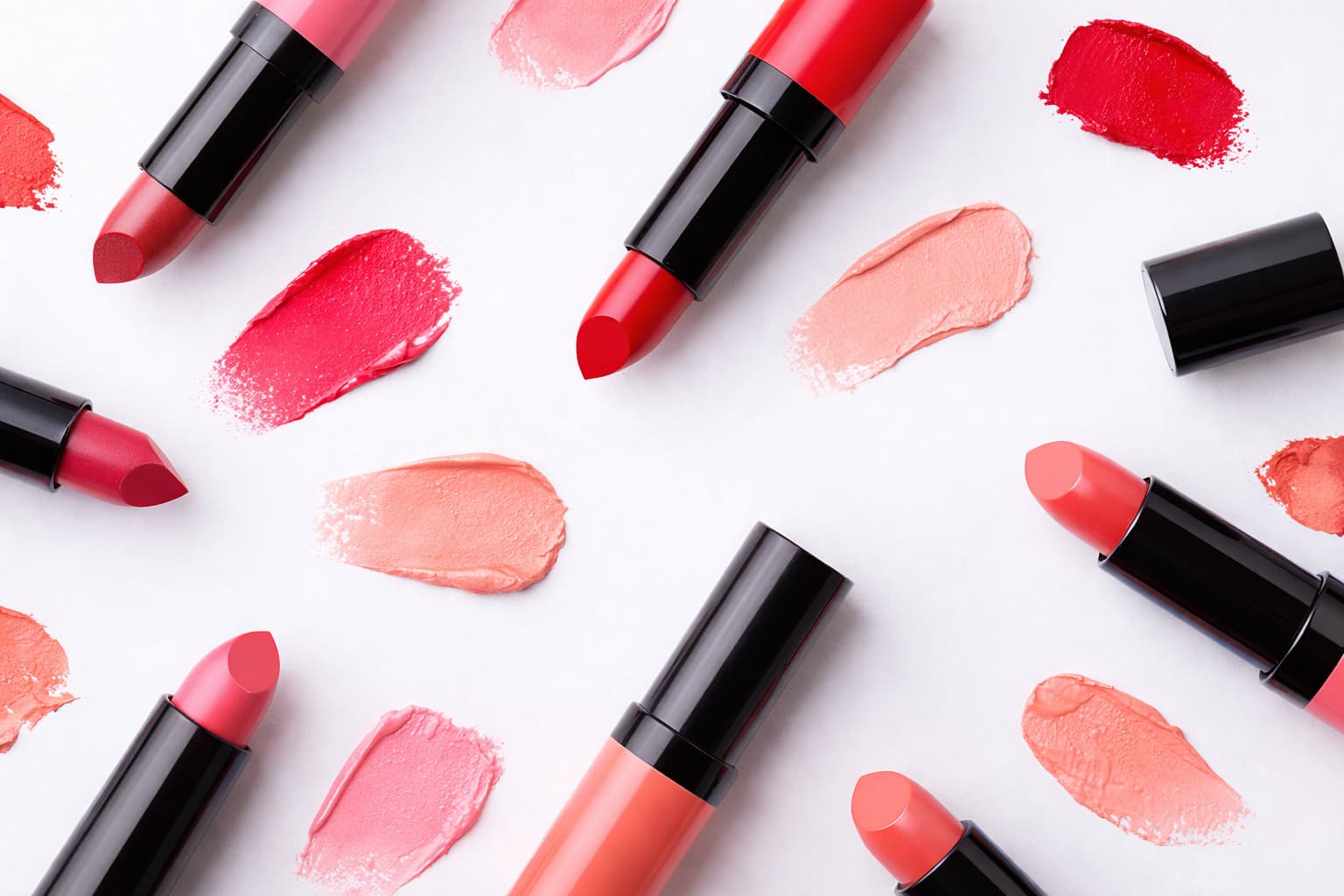
The product diversity is large – but which category suits your start?
Assessment criteria: what matters in a starter product
Before we go through the individual categories, here are our 4 assessment criteria. Each product is rated on how well it is suited to cosmetics beginners:
Production complexity
How many ingredients, work steps and special pieces of equipment do you need? Simple melt-and-pour formulations beat elaborate emulsions.
Start-up costs (raw materials + equipment)
What does the initial equipment cost? We reckon with small batches (50–100 units) and account for packaging, raw materials and tools.
Shelf life & preservation
Water-free products last longer and need no preservation. Water-based products (creams, lotions) are considerably more demanding.
Regulatory effort
A safety assessment, CPNP notification and PIF are mandatory for all products. But some formulations make the assessment simpler and cheaper than others.
Important: the same rules for everyone
Whether it is lip balm or face cream – the EU Cosmetics Regulation (EC) 1223/2009 applies to every product you sell. You always need: a safety assessment, CPNP notification, PIF, correct labelling and GMP-compliant documentation. The differences lie in the complexityof the formulation – not in the legal obligations.
Category 1: Solid soaps – the classic for beginners
Solid soaps (cold process)
Why soaps?Solid soaps are the most popular starter product – and for good reason. The basic formulation consists of just 3–4 ingredients (fats/oils, lye, water, optionally fragrance), production by cold process can be learned from a few YouTube tutorials, and with correct storage the result keeps for 12–24 months.
Start-up costs:Approx. 150–300 € for raw materials, soap moulds, protective equipment and the first 50 units. Plus fixed costs (safety assessment, business registration).
Note:Saponified oil is declared differently from the starting oil (e.g. “Sodium Olivate” instead of “Olea Europaea Fruit Oil”). Read more in our soap guide.
Category 2: Lip balm – small, simple, popular
If you want to make and sell your own lip balm, you are starting with one of the most rewarding starter products of all. Lip balm typically consists of beeswax, shea butter and a carrier oil – 3 ingredients that you melt in a water bath, pour into tubes or jars and leave to cool.
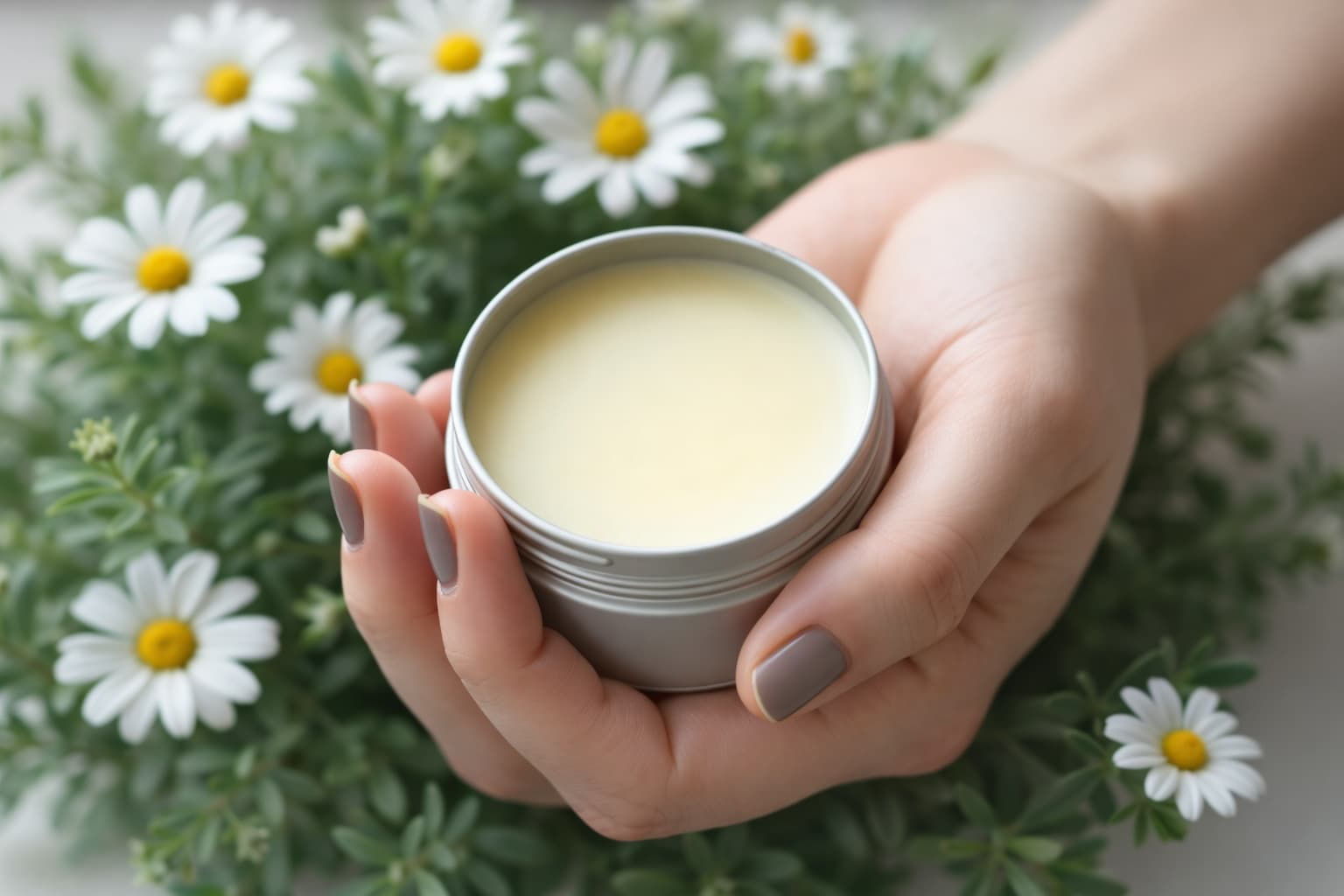
Lip balm in the tin – few ingredients, great effect
Lip balm & lip scrubs
Why lip balm?A minimal ingredient list, no water = no preservation, tiny packaging (4–15 ml) and low raw material costs. A single lip balm costs approx. 0.30–0.80 € to produce – the retail price is typically 3–6 €.
Start-up costs:Approx. 100–200 € for raw materials, tubes and labels for 100 units. On top of that come the regulatory fixed costs.
Bestseller potential:Lip balm is a classic impulse-buy product – perfect for Christmas markets, Etsy and as an add-on to larger products.
Practical tip: lip scrubs as an addition
Lip scrubs (lip peelings made of sugar + oil + wax) can be produced with the same raw materials and double your range without an additional safety assessment – provided the formulation falls under the same product category. Ask your safety assessor whether a group assessment is possible.
Category 3: Bath bombs & bath balls – fun factor, but beware!
Selling bath bombs sounds tempting: bright colours, Instagram-worthy photos and a trend product that practically sells itself at markets and on Etsy. But: selling bath ballsis regulatorily just as demanding as any other cosmetic product – and there are a few pitfalls.
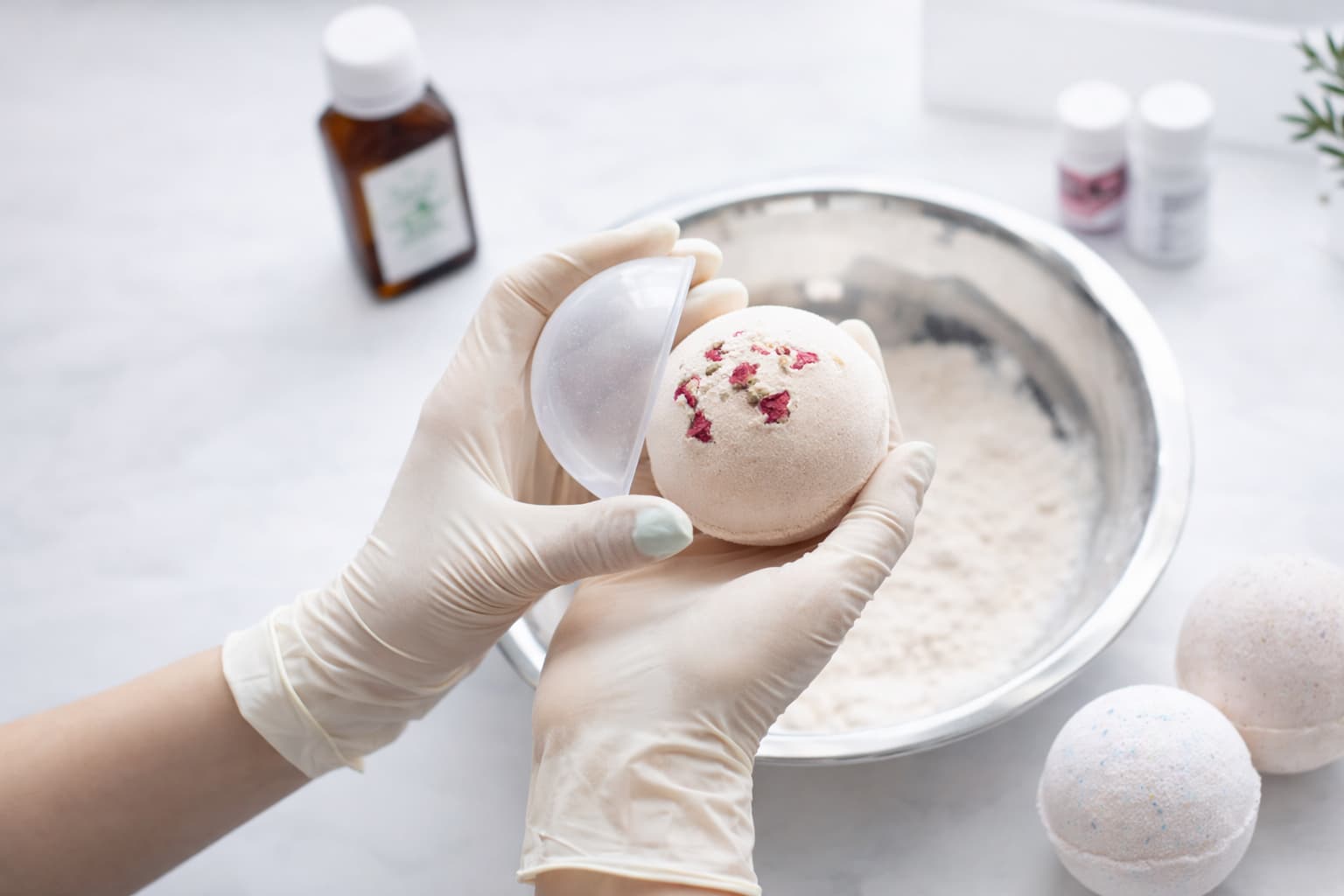
Making bath bombs: protective gloves are mandatory when working with citric acid and baking soda
Bath bombs & bath balls
Basic formulation:Baking soda + citric acid + food starch + oil + optional colour/fragrance. Production is a melt-and-press process – technically simple.
Start-up costs:Approx. 100–250 € for raw materials and moulds for 50–100 units. The raw material cost per unit is 0.50–1.50 €.
Caution with colourants:Not every food colourant is approved for cosmetics. Only colourants from Annex IV of the EU Cosmetics Regulation may be used. Mistakes here can block the safety assessment.
Caution with essential oils: Many popular fragrances (lavender, cinnamon, clove) contain allergens subject to mandatory declaration. You will find details in our guide to the 2026 changes.
Category 4: Solid shampoos – a trend product with potential
Solid shampoos (syndet bars)
Why the hype?Solid shampoos are riding the sustainability trend: plastic-free, long-lasting (1 bar = approx. 60–80 hair washes) and easy to transport. The market is growing – but production is more demanding than for soaps.
Challenge:Solid shampoos are based on surfactants (SCI, SCS), not on saponification. The pH must be between 5.0 and 5.5 (scalp-compatible), and the formulation requires knowledge of surfactant chemistry. The wrong composition = dry, brittle hair = dissatisfied customers.
Start-up costs:Approx. 200–400 € for raw materials, pressing moulds and the first 50 units. SCI as the main surfactant is more expensive than soap raw materials.
Our advice: Start with soaps or lip balm, gain experience with the regulation and expand your range with solid shampoos later. The safety assessment is often more involved and more expensive for surfactant products.
Whatever the product – the documentation has to be right
INCIkit helps you manage formulations digitally, generate INCI lists automatically and document batch records in a GMP-compliant way – from the first soap to the hundredth lip balm.
Category 5: Body oils – minimal ingredients, maximum effect
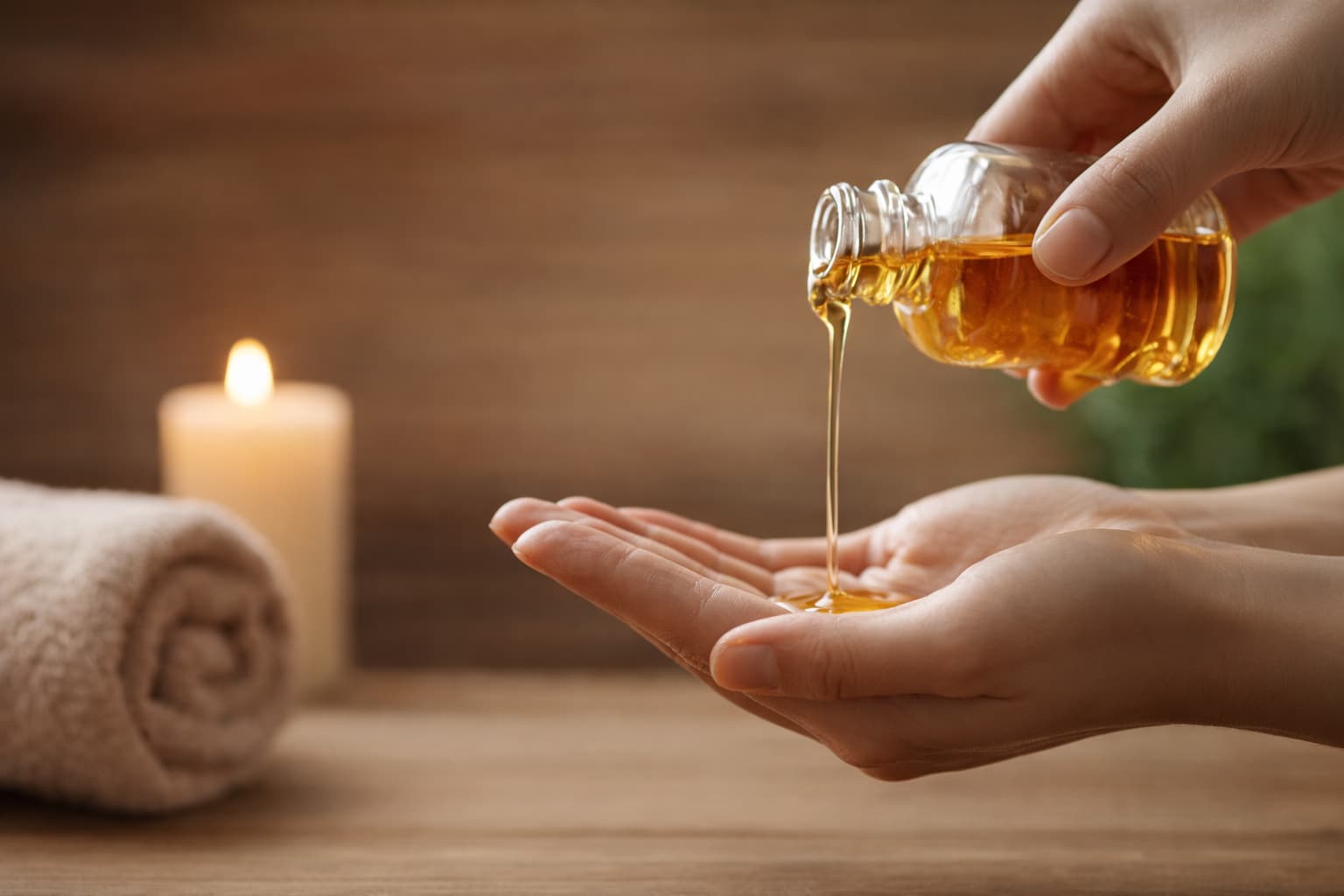
Body oils often consist of just 2–3 ingredients – ideal for beginners
Body oils & massage oils
The principle:Blend one or more carrier oils (almond oil, jojoba oil, argan oil), optionally add essential oil for fragrance, fill – done. No heating, no melting, no chemical reaction.
Big advantage: No water in the formulation = no preservation needed. That considerably simplifies the safety assessment and reduces the costs. An antioxidant such as vitamin E (tocopherol) extends the shelf life.
Start-up costs:Approx. 150–300 € for high-quality oils, glass bottles and pipettes for 50 units. The raw material price per bottle (50 ml) is 2–5 €, the retail price 12–25 €.
Margin:Body oils have one of the best margins among the starter products – especially with premium oils and attractive packaging.
Category 6: Deodorant creams – a niche with loyal customers
Natural deodorant creams
The concept:Baking soda (sodium bicarbonate) + coconut oil + food starch + optionally beeswax and essential oils. No aluminium salts, no synthetic fragrances – that appeals to a growing target group.
Why a niche?Once someone has found a natural deodorant that works, they stick with it – the repeat-purchase rate is high. Typical retail price: 8–15 € for 50 ml.
Challenge:Baking soda can cause irritation on sensitive skin. Your safety assessor will look closely here. Some manufacturers offer a baking-soda-free variant – but then the complexity of the formulation increases.
Start-up costs:Approx. 100–200 € for raw materials and jars for 50 units. Deodorant creams have low raw material costs (0.50–1.50 €/unit).
Practical tip: always both variants
Where possible, offer one variant with and one without baking soda. That way you cover sensitive and normal skin. Both formulations can often run under a single group assessment with the safety assessor – which saves costs.
Comparison table: 6 starter products at a glance
Here is the summary of all 6 categories – rated by our 4 criteria. The more stars (★), the better for beginners:
| Product | Simplicity | Start-up costs | Shelf life | Regulation |
|---|---|---|---|---|
| Solid soaps | ★★★★ | 150–300 € | 12–24 mo. | Medium (INCI special) |
| Lip balm ★ | ★★★★★ | 100–200 € | 12–18 mo. | Low |
| Bath bombs | ★★★ | 100–250 € | 6–12 mo. | Medium (colourants) |
| Solid shampoos | ★★ | 200–400 € | 12–18 mo. | High (surfactants) |
| Body oils ★ | ★★★★★ | 150–300 € | 12–24 mo. | Low |
| Deodorant creams | ★★★ | 100–200 € | 6–12 mo. | Medium (skin irritation) |
★ = Our top recommendation for beginners. Start-up costs excluding regulatory fixed costs (safety assessment, business registration).
Our recommendation: Start with lip balm or body oilsif you want the easiest possible entry. If you are looking for a bit more of a challenge, solid soapsare an excellent choice – the absolute classic among simple cosmetic products for beginners.
Whichever product you choose: the labelling has to be right. You will find all 8 mandatory details in our labelling guide for handmade cosmetics. And for the correct INCI declaration, turn to our step-by-step guide to the INCI list.
Frequently asked questions (FAQ)
Which cosmetic product is the easiest to make and sell yourself?
Solid soaps and lip balms are considered the easiest starter products. Both are water-free (or, in the case of soap, very low in water after curing), have a long shelf life and need no elaborate preservation. Their formulations are comparatively simple and raw material costs are low. Legally, however, the same requirements apply to both: a safety assessment, a CPNP notification and correct labelling under the EU Cosmetics Regulation.
Do I need a safety assessment for bath bombs?
Yes, absolutely. Bath bombs are cosmetic products within the meaning of EU Cosmetics Regulation (EC) 1223/2009. That means you need a safety assessment by a qualified safety assessor, a CPNP notification and a complete Product Information File (PIF). The cost of the safety assessment ranges from 300–800 € per formulation.
What does it cost to get started in lip balm production?
The pure raw material cost for a lip balm is around 0.30–0.80 € per unit (beeswax, shea butter, coconut oil, aroma). On top of that come tubes or jars (0.20–0.50 €/unit), labels and the one-off fixed costs: safety assessment (approx. 300–500 €), business registration (20–60 €) and CPNP notification (free, but time-consuming). In total you can reckon on 500–1,000 € of start-up capital.
Can I sell body oils without preservatives?
Yes, pure body oils without a water phase generally need no preservation – that is one of their biggest advantages for beginners. Bacteria and mould need water to grow. However, oils can oxidise (go rancid), which is why you may add vitamin E (tocopherol) as an antioxidant. Shelf life depends on the oil used: jojoba oil lasts 2–3 years, rosehip oil only 6–12 months.
Are solid shampoos harder to make than soaps?
Yes, considerably. Solid shampoos are based on surfactants (e.g. SCI – Sodium Cocoyl Isethionate), not on saponification. The formulation is more complex, the pH has to be right (5.0–5.5 for the scalp) and the regulation is stricter, because surfactants can irritate the skin. We do not recommend solid shampoos as a first product – better to start with soaps or lip balm and work your way up.
Conclusion: the best starter product for your cosmetics business
From the first lip balm to a professional cosmetics business – the journey begins with the right starter product
If you want to make and sell your own lip balm, sell bath bombsor start with body oils, you have good chances – provided the regulation is right. Here are the most important takeaways:
- Top for beginners:Lip balm and body oils – minimal ingredients, no preservation, low costs
- Classic:Solid soaps – beginner-friendly, but mind the INCI declaration
- Fun factor:Bath bombs – Instagram-worthy, but check colourants and allergens
- Expand later:Solid shampoos and deodorant creams – only with experience
- Applies to all: A safety assessment, CPNP notification, PIF, labelling and GMP documentation
Start small, document cleanly and grow step by step. Your first product does not have to be perfect – but it has to be legally compliant. Anyone who masters the basics from the very start builds a solid foundation for a growing cosmetics business. And in the next step you will learn how to open your online shop.
Further resources
Want to document your formulas and INCI lists professionally?
INCIkit brings formulas, INCI declaration and batch documentation into one app — free for 14 days, no credit card required.
INCIkit Editorial
Cosmetics Compliance Desk
More articles
Starting Your Own Cosmetics Brand: From Idea to Finished Brand
Want to start your own cosmetics brand? This hands-on guide shows you the way step by step — from brand concept and logo through product line and packaging to distribution, marketing and a realistic cost overview.
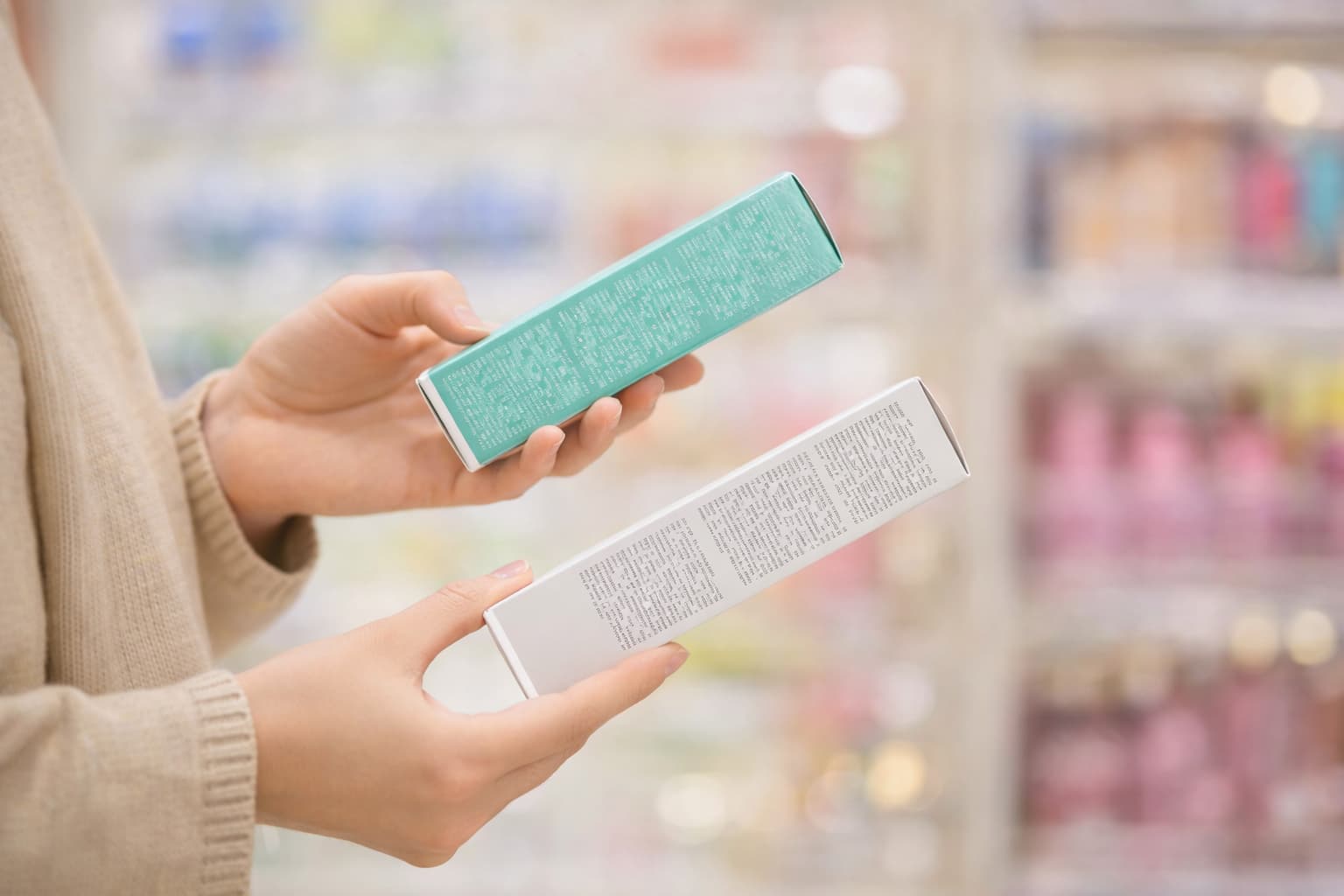
Labels for Handmade Cosmetics: Mandatory Details & Design Tips
Your cosmetic label must not only look good — it must also contain 8 mandatory legal details. This practical guide shows you which details are mandatory, how to design professional labels and where to have small runs printed.
Start a Cosmetics Online Shop: A Legally Sound Launch for Small Producers
Want to sell your handmade cosmetics online? This hands-on guide compares Etsy, Shopify and WooCommerce, explains all the legal obligations and shows you how to build product pages, shipping and marketing the right way.